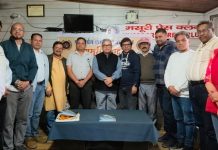
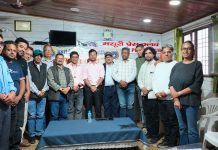

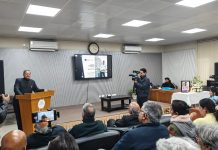





















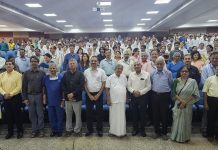



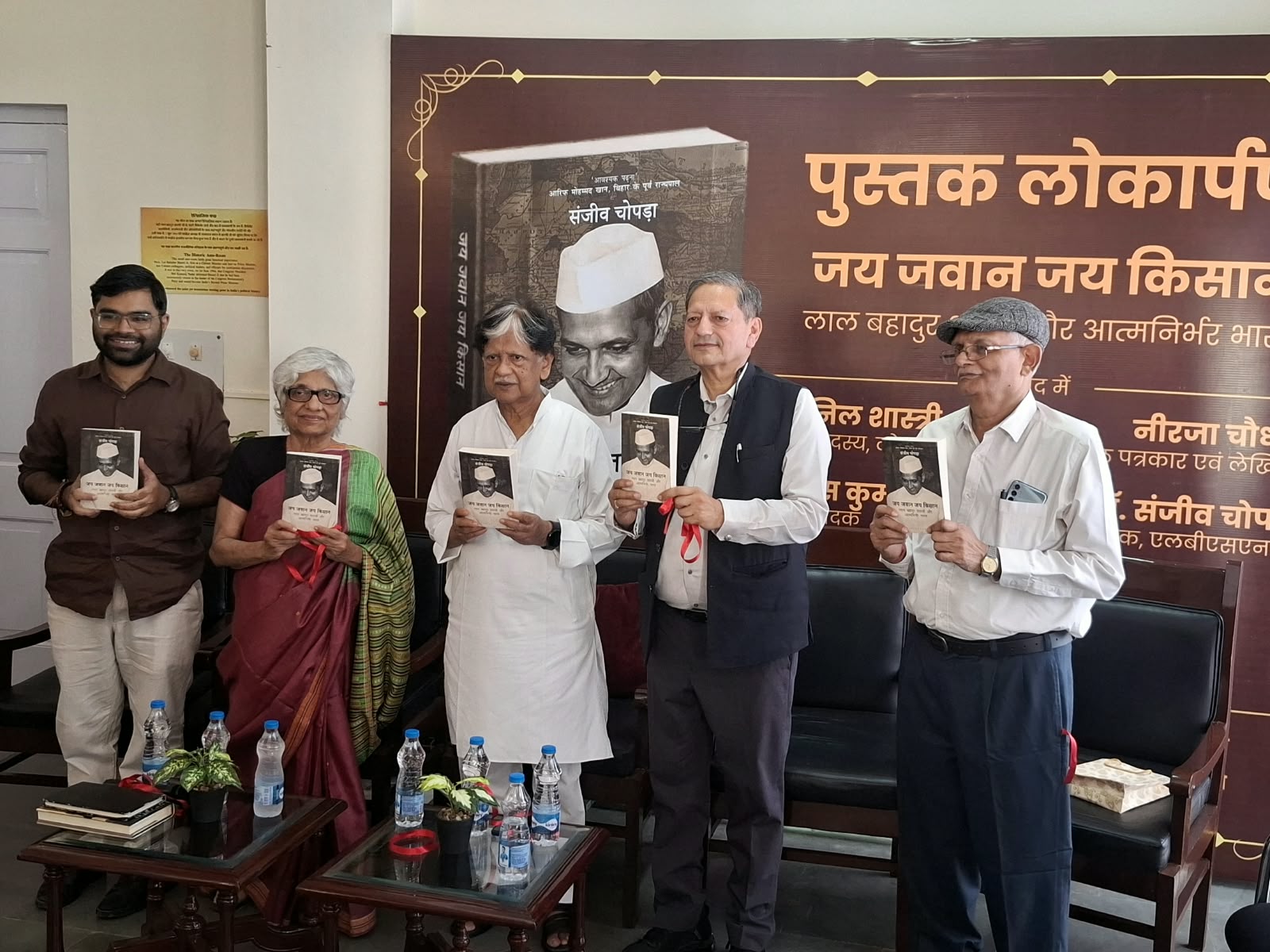
Dateline New Delhi: On the auspicious occasion of the 122nd birth anniversary of former Prime Minister Lal Bahadur Shastri, the Hindi translation of Dr. Sanjeev Chopra’s book The Great Conciliator, titled Jai Jawan Jai Kisan: Lal Bahadur Shastri aur Atmanirbhar Bharat, was launched at the Lal Bahadur Shastri Memorial, New Delhi, on 2nd October.
The event featured Anil Shastri, former MoS, Ministry of Finance (GoI); Sunil Shastri, former Member of Parliament; senior journalist Neerja Chowdhury; Author Dr. Sanjeev Chopra; Translator of the Hindi edition Tapas Kumar Roy. The conversation was moderated by Deepak Tenguriya, Research Head, Indian Express (Hindi).
As the morning sun-rays filtered through the memorial, the session began with Tapas Kumar Roy sharing his experience of translating the book. He spoke about the challenges involved in bringing the work into Hindi while retaining its original spirit and meaning.
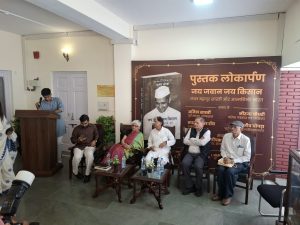
The discussion then moved to Dr. Chopra, who spoke about the difficult circumstances in which Lal Bahadur Shastri became Prime Minister after Jawaharlal Nehru. He discussed Shastri’s rise within the Congress party, particularly his role as its General Secretary, and the qualities that enabled him to emerge as a leader in his own right.
Anil Shastri then spoke about his father’s personality, political legacy and continuing relevance. He emphasised the need for a leader like Lal Bahadur Shastri to remain part of the political consciousness of the country, particularly among young people. He also highlighted the importance of the Hindi translation and described The Great Conciliator as one of the most important works written on the former Prime Minister. He shared a personal anecdote from the 1965 war. At a time when India was facing a food shortage and seeking greater self-reliance in food production, the United States was exerting pressure through the PL-480 programme. Prime Minister Shastri appealed to citizens to skip one meal a week. Anil Shastri recalled that the appeal was not merely meant for the public. Shastri followed the same principle at home and asked his wife, Lalita Shastri, to not cook dinner that day. For Anil Shastri, this was not simply a symbolic gesture but reflected Shastri’s empathy and his belief that a leader must share the difficulties faced by the people.
Senior journalist Neerja Chowdhury reflected on how Shastri, despite having a brief tenure as Prime Minister, remains one of India’s most decisive leaders. Discussing what makes Shastri special, she observed that young Indians often do not remember the contributions of political leaders, even when their decisions have had a lasting impact.
Sunil Shastri emphasised the importance of taking Lal Bahadur Shastri’s stories and ideas to future generations. He called for more intellectual initiatives to bring Shastri’s life and legacy closer to citizens.
The event concluded with Dr. Chopra recalling important episodes from Shastri’s life and expressing hope that the Hindi translation would go beyond conventional reading circles and make his life and ideas accessible to a much larger Hindi-speaking audience.